


sport news
Congress Bans Prediction Markets Insider Trading
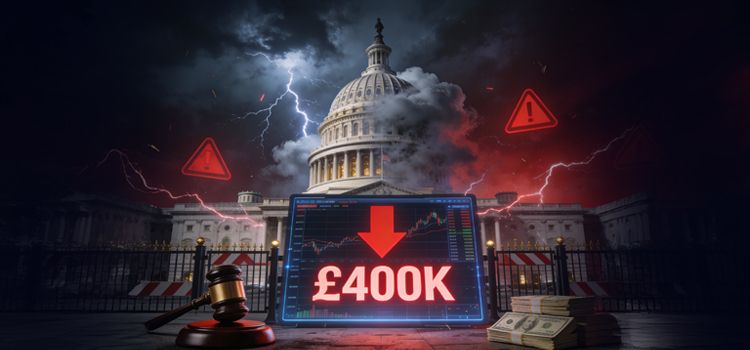
On January 3, someone netted £400,000 on Polymarket betting on Maduro's removal, trading days before U.S. action. Rep. Ritchie Torres and Nancy Pelosi have now introduced legislation banning federal officials from prediction market trading. Congress is closing finance's most obvious loophole.
The Maduro Moment: When Timing Got Too Perfect
Let's be clear about what happened. Accounts created days before the U.S. action in Venezuela placed substantial "Yes" bets predicting Maduro's removal. When the detention occurred on January 3, one trader walked away with over £400,000. Social media erupted with accusations of insider trading. The Securities and Exchange Commission remained silent, largely because prediction markets don't technically fall under its jurisdiction.
That's the gap Torres is trying to close.
Insider trading in traditional securities markets (stocks, bonds) has been illegal since the 1930s. The rules are ironclad: you cannot trade on material non-public information obtained through your government role. Congress banned itself from doing exactly this with the STOCK Act in 2012 after the financial crisis. But prediction markets, which exploded in popularity only in the past few years, exist in a regulatory grey zone. They're newer than the laws that govern them. And that matters.
What the Bill Actually Does
The Torres legislation doesn't outright ban federal officials from prediction market trading. Instead, it targets government-related contracts specifically. Federal officials can still trade on sports outcomes, entertainment events, or weather predictions. They cannot trade on contracts tied to government policy, government action, or political outcomes if they possess material non-public information or could reasonably obtain such information through their official duties.
The definition is broad enough to be meaningful: "material nonpublic information" means information that a reasonable investor would consider important and that isn't publicly available. Think advance notice of sanctions, military deployments, policy announcements, or election outcomes.
Crucially, the bill mirrors the STOCK Act's underlying principle, extending insider-trading protections to an asset class Congress simply didn't anticipate a decade ago.
The Prediction Markets Problem
Polymarket and Kalshi have exploded in popularity precisely because they operate in regulatory ambiguity. Polymarket, based offshore and not directly regulated by U.S. authorities, allows anyone with a crypto wallet to bet on geopolitical events, election outcomes, and policy decisions. Kalshi, regulated by the Commodity Futures Trading Commission, operates domestically with slightly more oversight.
Neither platform currently has robust insider-trading enforcement mechanisms. When we spoke to Kalshi's Elisabeth Diana, she noted the platform "explicitly prohibits insider trading" and supports the bill's aims. Polymarket hasn't publicly commented, which tells you something.
Here's the uncomfortable truth: prediction markets are becoming favoured tools for sophisticated bettors who possess information advantages. Academic researchers, think tank analysts, policy specialists, and yes, government officials, have asymmetric access to geopolitical intelligence. A prediction market is the perfect vehicle to monetise that advantage without triggering traditional securities-law enforcement.
What Happens Next
The Torres bill faces significant headwinds. House Speaker Mike Johnson (R-Louisiana) hasn't signalled whether he'll bring it to a vote. Trump administration buy-in is uncertain. And even if it passes the House, enforcement mechanisms remain vague. The bill doesn't specify penalties or which agency investigates violations.
But the legislative intent is clear: 2026 will see prediction markets scrutinised as never before. The Maduro trade crossed a political threshold. Congress watched an unidentified trader profit from what appeared to be privileged geopolitical access, and lawmakers reacted with the only tool they have: legislation.
The takeaway: prediction markets are graduating from niche crypto betting platforms to genuine political flashpoints. If the Torres bill fails, expect another version. This market's regulatory honeymoon is ending.